A region with a rich history and a long finish
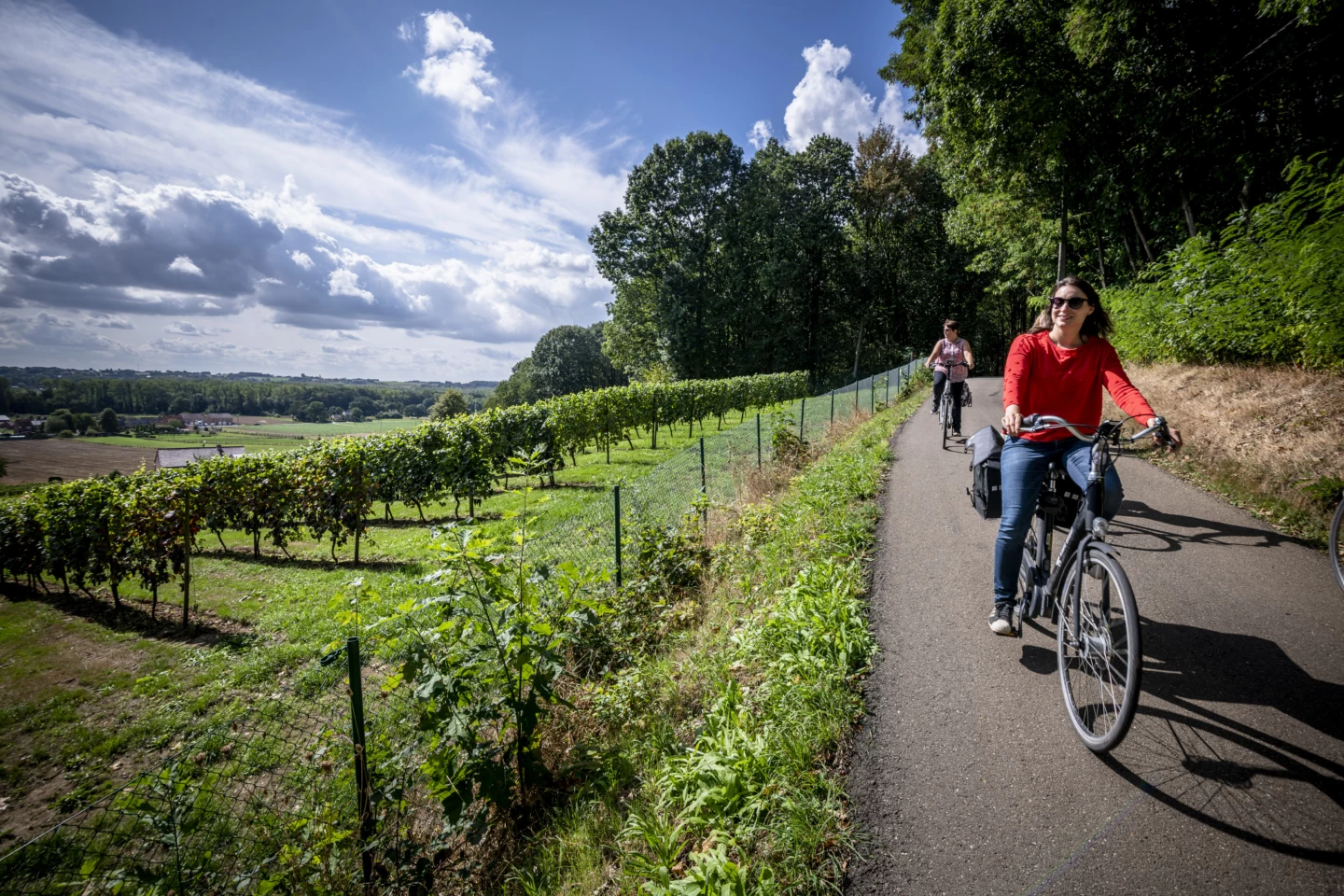
Anyone cycling or walking through the Hageland will discover a landscape full of surprises: rolling hills, charming villages, woods, fruit orchards and vineyards. Behind those vines lies a story that stretches back centuries. A story of Romans, dukes, monks and passionate winemakers who have put the region back on the wine map.
From Roman vines to Hageland vineyards
We have the Romans to thank. During their conquests, they brought not only their culture and knowledge, but also their vines. They discovered that the sunny slopes of the Hageland were particularly well-suited to grape growing. The rolling hills are reminiscent of southern wine-growing landscapes and offer an ideal environment for viticulture.
Hageland viticulture really came into its own in the Middle Ages. The region experienced its golden age during the 13th century. Not only Leuven, but also Aarschot, Diest, Hoegaarden, Tienen and Zoutleeuw had their own vineyards. Even the famous Leuven painter Dieric Bouts owned a vineyard. That period of prosperity eventually came to an end. Wars, harsher winters, the rise of beer and competition from foreign wines caused viticulture in the Hageland to almost completely disappear. But the tradition was never entirely lost.


Rust-brown soul
The foundation of our success lies literally beneath our feet. Millions of years ago, the sea left behind a sandy seabed here. The characteristic iron sandstone – recognisable by its warm rust-brown colour – plays a key role in the character of Hageland wines. The stone drains excess water well, whilst at the same time retaining heat. Together with the south-facing slopes and the mild microclimate, this creates ideal conditions for grape growing.
The characteristic iron sandstone not only gives Hageland wine its character, but also shapes the landscape of the region. For centuries, this warm, reddish-brown stone has been used for houses, churches, chapels and monuments. The very same soil that gives the wine its flavour also lends colour to the villages and buildings.
Experience the wine region
The best way to discover the story of Hageland wine? Get out and about. Combine nature, scenery and wine on a cycling or walking tour taking in the region’s most beautiful spots.
Cycling past vineyards: the Hageland Panorama Route
Hop on your bike and discover the hills of the Hageland on this stunning panoramic route. The route takes you past the Beninksberg, Houwaartseberg and Chartreuzenberg. Along the way, you’ll cycle through woods, open countryside, picturesque villages and picturesque vineyards.
Walking amongst the vines on the Wijngaardberg
From the wine village of Wezemaal, you’ll walk amongst the vines to the summit of the Wijngaardberg. Along the way, you’ll discover the historic wine wall, built of iron sandstone, which protected the vines from the harsh north winds.
At the top, a magnificent view of the Hageland awaits. You then head back down towards the village, where you can learn more about the region’s history. Nearby is also the beautiful Norbertine rectory, dating from 1624.
On a wine safari
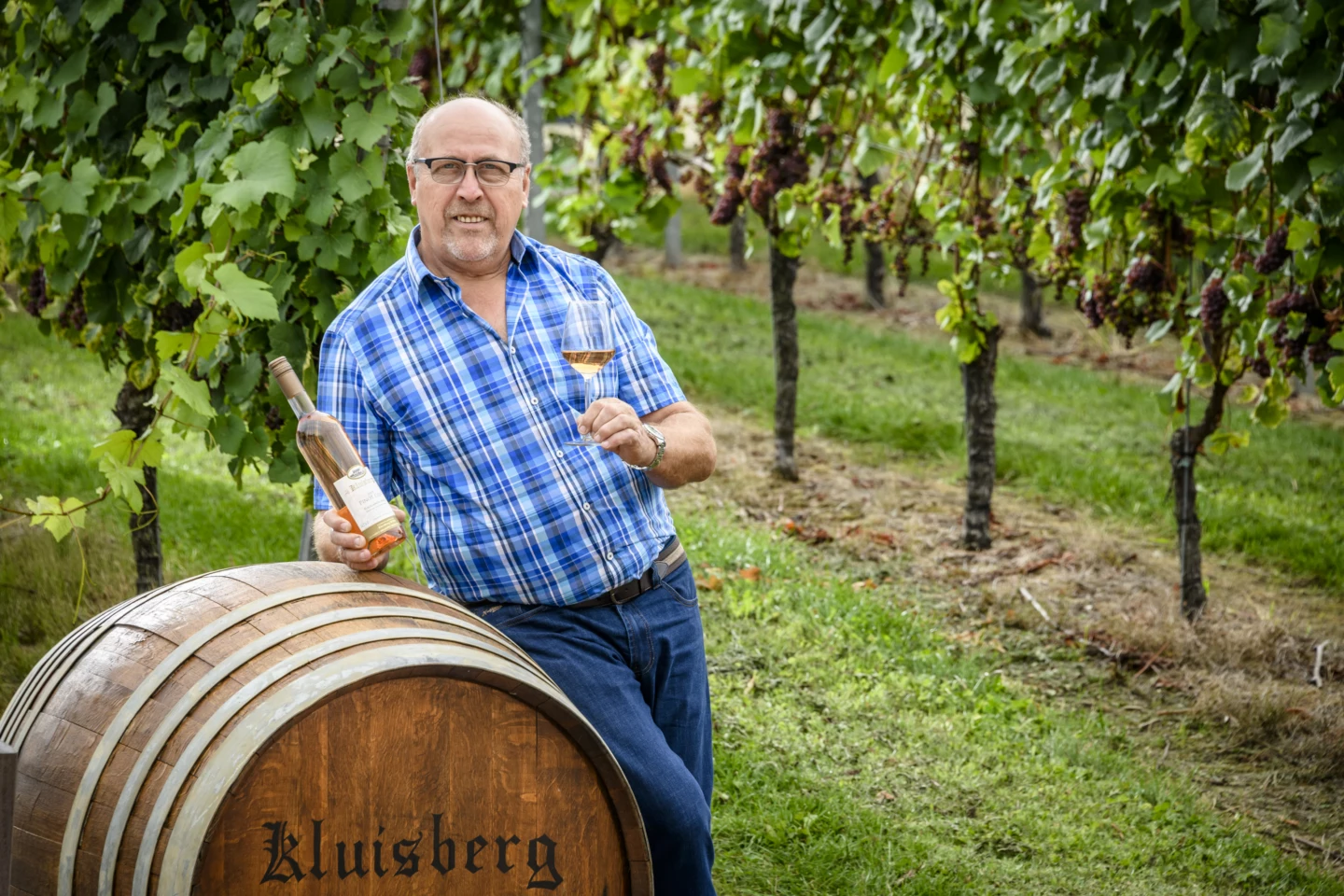
You’ll whizz through the region in a little electric eco-car. You’ll follow an experienced wine guide to several wine estates, meet a passionate winemaker and taste six local wines on your journey. This way, you’ll discover first-hand the secrets of the terroir, the climate and the grape varieties that give Hageland wines their refined flavours. For drivers and non-wine-drinkers, there’s an alcohol-free package featuring local fruit juices.
Dolce vita on wheels
Feel the wind in your hair, whizz leisurely from vineyard to vineyard and enjoy the views as if you were somewhere in southern Europe. Whether on a Vespa or in an iconic Citroën 2CV, the Hageland naturally takes on a touch of la dolce vita. Stop along the way for a picnic amongst the vines or a glass of Hageland wine on a sunny terrace. With the audio guide, you’ll also discover surprising stories, fun facts and hidden gems as you go.
- Alcohol abuse is harmful to health